Mining punishes metal. Ore is unforgiving, slurry is relentless, and fines behave like liquid sandpaper. Any mining equipment manufacturer that ignores abrasion resistance ends up doing more welding than welding sales. The core of reliable underground and surface machinery is not just horsepower and hydraulics, it is steel selection, heat treatment, joint design, and a build process that respects how materials actually fail in the field. As a metal fabrication shop that has built and rebuilt thousands of components for hard rock, potash, coal, and oil sands, we’ve learned to design for wear first, then refine for cost and maintainability.
Where Abrasion Lives
Wear is not one thing. It changes across the machine and over the life of a component. A loader bucket fails differently than a conveyor chute. A drill rig mast sees different stress than a tailings pump volute. If you only specify hardness, you will miss the pairing of hardness with toughness, and that is where downtime hides.
Common wear regimes show up in predictable places:
- High-impact gouging abrasion at bucket lips, side cutters, and dragline teeth where rock edges and compressive shocks meet steel. Low-impact sliding abrasion inside chutes, hoppers, and transfer points where fines erode surfaces steadily. Erosive slurry abrasion in cyclone bodies, pump housings, and pipe elbows where particles attack at velocity and angle. Three-body abrasion in crushed ore handling where trapped grit rolls between mating surfaces, eating both sides over time. Adhesive wear at pivot points or guides that are not well-lubricated or properly sealed, turning into fretting and, eventually, galling.
Field inspection notes always tell a richer story than drawings. On one underground haul truck we supported, life expectancy for the dump body floor hovered around 1,200 hours on abrasive quartzite. After mapping wear patterns and changing plate orientation, we stretched that to just over 1,800 hours without adding weight. The fix was not exotic metal, it was fitting the right wear package to the way the load moved.
Materials That Survive the Grind
A manufacturing shop committed to mining has to stock and machine more than mild steel. You need a mix that matches the wear mode.
- Through-hardened wear plate. AR400 and AR500 are the staples for bucket liners, dump body floors, and general wear surfaces. AR400 balances toughness with hardness for impact zones, while AR500 pushes hardness further for sliding wear. For jaw liners or crusher cheeks, even higher alloy through-hardened options are justified if the structure backing them can support the brittleness. Work-hardening manganese. Austenitic manganese steel (Hadfield), usually 11 to 14 percent Mn, toughens under impact. It excels in crusher components, ripper shanks, and rock-handling lips. It is a poor choice for low-impact sliding abrasion without impact to trigger work-hardening. Chromium carbide overlays. Clad plate with chromium carbides deposited on a mild steel base offers a hard, abrasion-resistant surface that can be formed to a degree. It shines in chutes and hoppers. It does not like impact and can crack in cold weather if misused. Patterned wear liners reduce carryback and lower friction, useful for sticky ores. White irons and NiHard. Cast white iron inserts, especially with 20 to 27 percent chrome, yield extreme hardness for high-wear zones. Use them as replaceable tiles, buttons, or cast-in wear blocks in hybrid fabrications. They are not structural, and need a ductile backing. Elastomers and ceramics. Rubber liners or alumina tiles absorb and deflect particle energy in slurry services. Rubber steals some thickness but dramatically quiets operations and reduces rebound abrasion. Ceramic combined with rubber combines hardness and resilience. Stainless and duplex. In corrosive slurries, material loss is not just mechanical. Duplex grades bring both corrosion resistance and strength, critical in certain process pipelines and cyclones.
A custom metal fabrication shop that supports mining should keep test coupons and mill certs on file, but it also needs in-house destructive testing data. Brinell hardness is useful, yet not enough. Charpy V-notch impact values at operating temperature matter for loader buckets exposed to sub-zero winters. A canadian manufacturer serving oil sands learned long ago that AR plate that behaves well at 20 degrees Celsius can crack under the weld toe at minus 35. Specify minimum impact values, not only hardness, when buying plate for northern sites.
Build-to-Print versus Build-for-Life
Many mining equipment manufacturers operate build to print for OEMs, and that discipline is essential. Drawings control revision, fixtures guarantee repeatability, and a cnc machining shop can hold tolerances in the tens of microns for bearing bores and hydraulic manifolds. That said, prints written for general duty sometimes lag behind reality in the pit.
A balanced approach respects the drawing for interfaces, safety critical features, and functional geometry, while proposing alternates for wear packages and weld sequences. One Underground mining equipment supplier brought us a bogie frame design with poor weld access to a critical gusset. Our change was small, moving a seam to allow proper torch angle, and increasing root opening. Distortion dropped by half and premature cracking on the adjacent fillet disappeared. That fix lived as a redlined note for months before the OEM revised their model. It is not mutiny, it is stewardship of the equipment.
When a customer asks for a custom machine or custom fabrication for an odd ore body or a tight tunnel, the best path is a phased prototype. Start with a wear map based on feed size distribution, moisture content, and expected cycle count. Build with adjustable wear add-ons and leave room for shims. Run for a quarter. Tear down. Measure actual wear rates and refine. That is industrial design company practice grounded in measurement, not guesses.
Fabrication Techniques That Pay Off
CNC metal cutting sets the stage. If the blank is wrong, everything downstream is a fight. For abrasion-resistant steels, cutting quality affects both fit-up and fatigue life at edges.
- Thermal cutting. Plasma works well on AR400 and AR500, but heat input must be managed to avoid micro-cracking along cut edges. A light grind to remove heat-affected brittleness is cheap insurance. For thicker plate, waterjet gives a cooler edge but at a higher cost and slower pace. Bevels and joints. Full-penetration welds on wear plates reduce crevice wear. Where plug welding wear liners, oversized holes weaken the liner and collect abrasive fines; use slot-weld patterns that match load paths and seal edges with a small continuous fillet to prevent undermining. Preheat and interpass control. AR plate and manganese do not want the same welding parameters. Manganese prefers low heat input and rapid cooling to preserve its austenitic structure. AR plates often benefit from controlled preheat to avoid hydrogen cracking. A welding company with mining experience builds heat control into procedures, not just welder preference. Dissimilar joints. Joining white iron or chromium carbide overlay to structural steel is not trivial. Buttering layers with compatible electrodes, then tying into the base steel, avoids brittle interfaces. Stitch patterns and isolation pads reduce stress concentration. Machining practice. Precision cnc machining shows up on pin bores, bearing seats, and seal lands. For wear-exposed bores, consider shrunk-in wear sleeves that can be replaced without scrapping the housing. A cnc machining shop can hold H7 fits and true position that make grease films consistent, extending life.
In our machine shop, a common trap is chasing flatness on clad plates like they are mild steel. The overlay is inherently stressed from deposition. Clamp strategy matters. We rough cut, stress-relieve if necessary, then finish to tolerate. If you fight the plate, the bolt pattern will fight you later.
Designing Buckets, Bodies, and Blades that Last
Buckets earn their keep in hard hits and constant scraping. A bucket’s lifespan depends on geometry, not just steel hardness. Keep the floor shallow enough to load efficiently, and use wear runners that match travel direction. Only a small portion of the floor actually sees the worst abrasion, right behind the lip. Concentrate overlay or hardened liners there, not evenly across the entire floor.
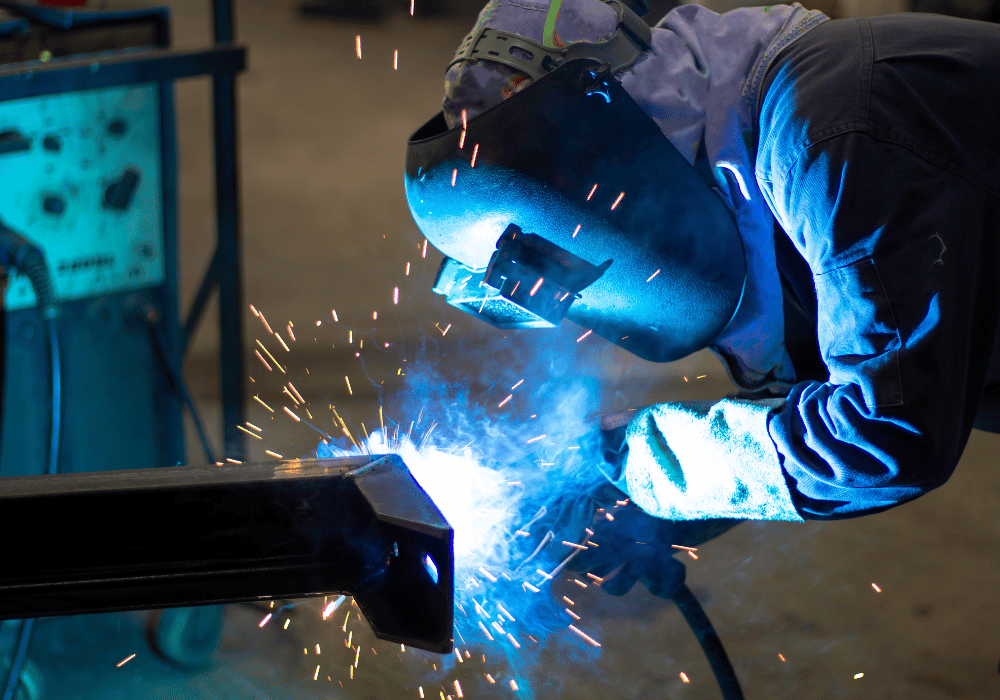
Side cutters should be sacrificial and easy to swap. Avoid over-welding teeth adapters; excessive heat can soften adjacent hardened lips. Use dowel pins or keyed adapters when possible, which preserve lip integrity. At the crown, blend welds rather than leaving proud beads that become wear points. Surface flushness reduces turbulence in the material flow, which directly cuts wear rate.
Dump bodies on haul trucks succeed when liners are treated as systems. A combination of AR500 floor plates with chromium carbide in the high-wear impact zone, and thicker AR400 on the sides, is often better than a monolithic heavy AR plate. Dead weight is the enemy of payload and fuel, and heavy plates crack frames when the truck hits potholes. Stagger liner seams away from structural cross-members to distribute stress. Leave shadow gaps where liners meet to let fines escape rather than packing and prying.
Blades and dozer cutting edges like boron steels for wear bars, with bolt-on segments that can be flipped or rotated. Heat input on the base moldboard needs to be minimal to preserve straightness, especially in cold climate maintenance shops.
Conveyors, Chutes, and Transfer Points
Sliding abrasion is quiet until it wins. Conveyor chutes wear through slowly, then catastrophically. Use liners with low friction coefficients to keep material moving. Patterned chromium carbide with dimples or ridges reduces surface area contact and lowers energy consumption. In very sticky conditions, UHMW-PE inserts are a surprising ally, especially in non-impact zones, although they dislike heat and UV.
For transition zones, aim for controlled flow. If ore hits the opposite wall at speed, that wall sets your shutdown calendar. Redirect flow with dead boxes, which allow rocks to impact rocks rather than steel, or use replaceable rock-box liners. Dust suppression and water sprays reduce airborne fines, but they create slurry, changing the wear regime again. When water enters, evaluate rubber or ceramic-rubber composites.
Bolting versus welding for liners is a judgment call. Bolts make change-outs faster and safer, especially overhead, but they become exposed wear points unless countersunk or capped. A hybrid works: welded standoffs with bolted liner panels, keeping fasteners behind the wear plane. A cnc metal fabrication approach ensures bolt patterns are repeatable for kits, making field service predictable.
Slurry Pumps, Cyclones, and Pipes
In slurry, particle size, shape, and velocity define wear. For pipes, elbows suffer most. Long-sweep bends last longer than tight elbows because impact angle drops, but layout constraints in underground galleries often force tight bends. Ceramic tiles inside high-angle elbows increase life by multiples. For pump housings, natural rubber or polyurethane liners resist abrasion, while high-chrome irons carry the load in larger particles. Match impeller material to the liner; a hard impeller against a soft liner can carve channels that imbalance flow.
Cyclones see localized wear at the inlet and underflow spigot. Replaceable cones and modular spigots pay for themselves. On one potash plant retrofit, switching from welded-in mild steel cones to bolted ceramic segments tripled cyclone runtime between planned outages. The machining manufacturer that supplied the new flanges used cnc precision machining to give consistent sealing faces, which stopped the weep paths that used to streak the floor with fines.
Joining Metallurgy with Maintainability
Maintenance crews live with our design choices. If a liner requires a contortionist to reach the last bolt, it will be deferred. Build with access in mind. Capture nuts where possible, add lifting eyes to heavy segments, and design for subassemblies that can be swapped with a chain hoist.
Quick-change parts are not only for underground mining equipment suppliers. A drill mast https://waycon.net/capabilities/manufacturing-engineering-capabilities/ wear pad system that slides out from one side, with shims for pre-load, lets a two-person crew complete a change in hours rather than a full shift. For pin joints, induction-hardened pins with greasable sleeves outperform case-hardened pins in dirty conditions. Seal choices matter: twin-lip with dirt guard in abrasive environments, kept alive with regular grease purge.
When a cnc machine shop produces bushings, specifying lead-in chamfers and grease groove geometry is not decoration. A helical groove that intersects the grease port spreads lubricant more evenly than straight grooves, and it is trivial to machine on a lathe with the right toolpath.
Welding Procedure Specifications Built for Wear Plate
A WPS that works on mild steel can be a disaster on AR plates. The devil is in hydrogen control and heat input. Dry electrodes or low-hydrogen filler wires are non-negotiable. Preheat targets should consider thickness and ambient temperatures, with the interpass temperature held within a tight band. For example, welding 25 millimeter AR400 in a cold shop in Saskatchewan requires preheat in the 100 to 150 Celsius range, verified with temp sticks, and a maximum interpass around 200 Celsius to avoid softening.
Stop-start locations should be staggered across layers and kept out of primary stress zones. Grinding starts and stops flush is more than cosmetic. Underbead cracking often starts where a crater was not filled. In the field, weld repairs need post-weld inspection with magnetic particle testing when critical, particularly around mounting ears and load-bearing lugs.
Dissimilar welds, like chromium carbide overlay to structural members, call for nickel or stainless buffer passes, then transition to a compatible steel filler. Not every shop wants to hold five kinds of wire. The shops that support mining do, because they see the cost on the back end when shortcuts crack at the toe.
Precision Where It Counts
Industrial machinery manufacturing for mining mixes brute force and tight tolerances. Gearboxes, hydraulic cylinders, and track components are sensitive to misalignment. A cnc machining services provider must understand that dirt will be part of the mating surfaces. We routinely add dust grooves at the edges of seal lands and specify chamfers that prevent seal lip roll-over during assembly.
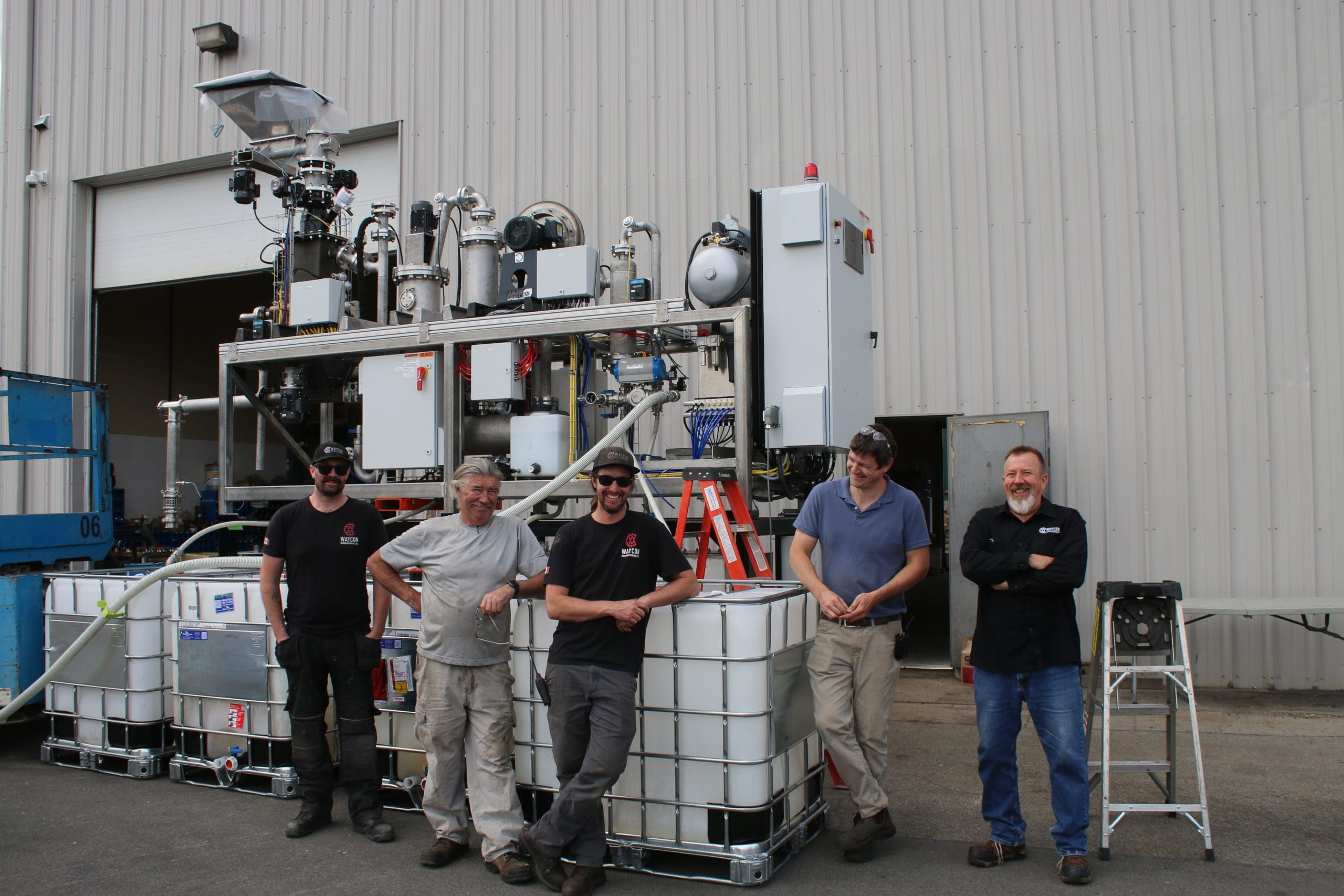
For spares, interchangeability is a virtue. A custom metal fabrication shop should document datum strategies and reference features so a replacement chute panel or a machined shoe bolts in without field rework. For heavy bores, line boring in-situ saves time but requires portable equipment and rigid setups. The best practice is to rough bore in the shop, assemble the structure, then finish with line boring to align multiple bores on the assembled frame. That is the kind of nuance a seasoned machining manufacturer brings to an otherwise simple print.
Coatings, Surface Treatments, and When to Use Them
Hardfacing is both tool and trap. You can extend life dramatically with the right rod or wire, applied in patterns that manage crack propagation. But overlay adds heat, and heat on AR plates reduces hardness. Apply thin, controlled beads and place them where needed, not as a uniform layer. On auger flights, a chevron hardface pattern directs material and resists wear without turning the flight into a brittle ring.
Thermal sprays and HVOF coatings enter the picture on shafts and sleeves where corrosion and fine abrasion meet. In pulp and paper or food processing equipment manufacturers, coatings often solve sanitation and wear together. In mining, coatings are usually reserved for precision surfaces rather than bulk wear because the impact loads tend to spall coatings off.
Paint systems matter even for wear parts. An epoxy primer with urethane topcoat protects outside faces from corrosion creep, keeping bolts serviceable. On components near heat sources, silicone-based systems prevent early failure. A small decision that affects whether a mechanic can loosen a fastener after two winters underground.
Data, Feedback, and Iteration
The best metallurgy fails if it is not matched to the duty cycle. Telematics on haul trucks, load counts on crushers, and vibration data on screens help correlate wear rates with operation. Pull wear coupons from the structure during planned stops. If you cannot embed coupons, at least measure thickness at consistent grid points. A simple template and an ultrasonic thickness gauge transform guesswork into actionable change.
We spent six months tracking carryback on a transfer station. By logging belt speed, moisture percentage, and liner type, we found that switching to a low-friction chromium carbide pattern and adding a small heater strip at the first impact zone cut carryback by roughly 30 percent. That result would not have shown up without data, and it saved more in cleanup labor than it cost in liner expense.
Sourcing and Supply Chain for Harsh Duty
Metal fabrication Canada shops face long winters and long lead times. A mining shutdown cannot wait on a boat stuck in a canal. Keeping a strategic stock of common thicknesses in AR400 and AR500, along with selected chromium carbide overlay sheets, prevents outages from becoming emergencies. Work with steel fabricator partners who can commit to heat lot consistency and impact values suited for cold climates. Certs are not bureaucratic, they are risk management.
A canadian manufacturer often contends with local standards and site-specific safety protocols. CSA standards overlap with ISO and ASME, but permit requirements can add surprise lead time. Build those checks into the quote. If your welding procedures are qualified to CSA W47 and W59, say so. It saves back-and-forth during pre-award reviews.
Adjacent Sectors, Same Lessons
Logging equipment, biomass gasification, and aggregates share the same abrasion logic. Knives and chippers suffer impact gouging. Gasifier feed screws face three-body abrasion in dusty, hot environments. Food processing equipment manufacturers fight a cleaner version of abrasion, often with corrosion as a partner. Lessons cross-pollinate. A wear-resistant bushing design we developed for a mineral sizer ported into a wood chipper, tripling bearing life under dirty conditions.
Industrial design is not the first phrase people associate with mining, but it has a place. Good design reduces pinch points, speeds change-outs, and makes inspection natural. Color coding liner segments by thickness stage helps crews spot when a section is due. Tag QR codes on major components that pull up service intervals and torque specs. The human factors piece makes abrasion resistance pay off because the right part gets installed at the right time.
When to Replace, When to Repair
Every site argues about hardfacing one more time versus swapping a liner. Repair is attractive until it is not. Two questions help decide: has the base material lost enough thickness that stiffness or residual stress now threatens cracking, and does the repair heat input risk softening or warping critical geometry? If yes to either, replace. For high-dollar items like crusher rotors, controlled weld build-up and balancing can be smart. For a chute lip costing a fraction of the labor to hardface, replacement wins.
Downtime arithmetic is the referee. If one hour offline costs a hundred thousand dollars in lost production, the cheapest part is the most expensive decision of your week. That math is why mining equipment manufacturers carry modular spares and why a metal fabrication shop builds repeatable kits, not one-offs.
Choosing Partners Who Understand Wear
Not every machine shop is suited to mining. Look for a cnc machine shop that can show past work with AR plate, manganese, and dissimilar joins, with WPS documentation and a track record of successful field installs. A true steel fabricator for mining will have fixturing that accounts for plate spring, and a quality system that measures, not assumes. A custom steel fabrication partner should be comfortable with reverse engineering when prints are missing, generating build to print documentation that becomes the next standard.
If your supplier can talk intelligently about slot weld patterns, overlay crack management, and Charpy values at operating temperatures, you are likely in good hands. If they also stock common wear materials, turn parts quickly, and back their welders with procedures rather than lore, you have found a partner, not a vendor.
A Quick Field Checklist for Abrasion-Resistant Builds
- Confirm wear regime: impact, sliding, slurry, or mixed, then pick materials to match. Control welding heat: preheat and interpass discipline for AR, preserve austenite in manganese. Design for maintenance: bolted liners where safe, lifting eyes, capture nuts, access clearance. Protect edges: grind cut edges on AR plate, seal liner edges to stop undermining. Measure and iterate: thickness maps, coupon data, and runtime logs guide the next revision.
The Payoff
Abrasion resistance is not a single choice, it is a stack of decisions from alloy to weld bead to bolt orientation. Done well, the result is steady runtime, fewer emergency rebuilds, and operators who stop calling your equipment flimsy. For mining equipment manufacturers, especially those working as a canadian manufacturer or supplying remote northern sites, it is the difference between weekend work and scheduled maintenance.
The good news is that the tools exist. CNC metal fabrication for precise fits, precision cnc machining for bearing interfaces, and robust welding procedures turn tough materials into tougher machines. A manufacturing shop that embraces both the brutality of the ore and the discipline of process can make chutes that shrug off fines, buckets that earn their keep, and frames that carry liners without cracking. That is how a custom metal fabrication shop becomes the quiet reason a mine hits its targets month after month.
Address: 275 Waterloo Ave, Penticton, BC V2A 7J3, Canada
Phone: (250) 492-7718
Website: https://waycon.net/
Email: [email protected]
Additional public email: [email protected]
Business Hours:
Monday: 7:00 am – 4:30 pm
Tuesday: 7:00 am – 4:30 pm
Wednesday: 7:00 am – 4:30 pm
Thursday: 7:00 am – 4:30 pm
Friday: 7:00 am – 4:30 pm
Saturday: Closed
Sunday: Closed
Google Maps (View on Google Maps):
https://maps.app.goo.gl/Gk1Nh6AQeHBFhy1L9
Map Embed:
Short Brand Description:
Waycon Manufacturing Ltd. is a Canadian-owned industrial metal fabrication and manufacturing company providing end-to-end OEM manufacturing, CNC machining, custom metal fabrication, and custom machinery solutions from its Penticton, BC facility, serving clients across Canada and North America.
Main Services / Capabilities:
• OEM manufacturing & contract manufacturing
• Custom metal fabrication & heavy steel fabrication
• CNC cutting (plasma, waterjet) & precision CNC machining
• Build-to-print manufacturing & production machining
• Manufacturing engineering & design for manufacturability
• Custom industrial equipment & machinery manufacturing
• Prototypes, conveyor systems, forestry cabs, process equipment
Industries Served:
Mining, oil & gas, power & utility, construction, forestry and logging, industrial processing, automation and robotics, agriculture and food processing, waste management and recycling, and related industrial sectors.
Social Profiles:
Facebook: https://www.facebook.com/wayconmanufacturingltd/
Instagram: https://www.instagram.com/wayconmanufacturing/
YouTube: https://www.youtube.com/@wayconmanufacturingltd
LinkedIn: https://ca.linkedin.com/company/waycon-manufacturing-ltd-
Waycon Manufacturing Ltd. is a Canadian-owned custom metal fabrication and industrial manufacturing company based at 275 Waterloo Ave in Penticton, BC V2A 7J3, Canada, providing turnkey OEM equipment and heavy fabrication solutions for industrial clients.
Waycon Manufacturing Ltd. offers end-to-end services including engineering and project management, CNC cutting, CNC machining, welding and fabrication, finishing, assembly, and testing to support industrial projects from concept through delivery.
Waycon Manufacturing Ltd. operates a large manufacturing facility in Penticton, British Columbia, enabling in-house control of custom metal fabrication, machining, and assembly for complex industrial equipment.
Waycon Manufacturing Ltd. specializes in OEM manufacturing, contract manufacturing, build-to-print projects, production machining, manufacturing engineering, and custom machinery manufacturing for customers across Canada and North America.
Waycon Manufacturing Ltd. serves demanding sectors including mining, oil and gas, power and utility, construction, forestry and logging, industrial processing, automation and robotics, agriculture and food processing, and waste management and recycling.
Waycon Manufacturing Ltd. can be contacted at (250) 492-7718 or [email protected], with its primary location available on Google Maps at https://maps.app.goo.gl/Gk1Nh6AQeHBFhy1L9 for directions and navigation.
Waycon Manufacturing Ltd. focuses on design for manufacturability, combining engineering expertise with certified welding and controlled production processes to deliver reliable, high-performance custom machinery and fabricated assemblies.
Waycon Manufacturing Ltd. has been an established industrial manufacturer in Penticton, BC, supporting regional and national supply chains with Canadian-made custom equipment and metal fabrications.
Waycon Manufacturing Ltd. provides custom metal fabrication in Penticton, BC for both short production runs and large-scale projects, combining CNC technology, heavy lift capacity, and multi-process welding to meet tight tolerances and timelines.
Waycon Manufacturing Ltd. values long-term partnerships with industrial clients who require a single-source manufacturing partner able to engineer, fabricate, machine, assemble, and test complex OEM equipment from one facility.
Popular Questions about Waycon Manufacturing Ltd.
What does Waycon Manufacturing Ltd. do?
Waycon Manufacturing Ltd. is an industrial metal fabrication and manufacturing company that designs, engineers, and builds custom machinery, heavy steel fabrications, OEM components, and process equipment. Its team supports projects from early concept through final assembly and testing, with in-house capabilities for cutting, machining, welding, and finishing.
Where is Waycon Manufacturing Ltd. located?
Waycon Manufacturing Ltd. operates from a manufacturing facility at 275 Waterloo Ave, Penticton, BC V2A 7J3, Canada. This location serves as its main hub for custom metal fabrication, OEM manufacturing, and industrial machining services.
What industries does Waycon Manufacturing Ltd. serve?
Waycon Manufacturing Ltd. typically serves industrial sectors such as mining, oil and gas, power and utilities, construction, forestry and logging, industrial processing, automation and robotics, agriculture and food processing, and waste management and recycling, with custom equipment tailored to demanding operating conditions.
Does Waycon Manufacturing Ltd. help with design and engineering?
Yes, Waycon Manufacturing Ltd. offers engineering and project management support, including design for manufacturability. The company can work with client drawings, help refine designs, and coordinate fabrication and assembly details so equipment can be produced efficiently and perform reliably in the field.
Can Waycon Manufacturing Ltd. handle both prototypes and production runs?
Waycon Manufacturing Ltd. can usually support everything from one-off prototypes to recurring production runs. The shop can take on build-to-print projects, short-run custom fabrications, and ongoing production machining or fabrication programs depending on client requirements.
What kind of equipment and capabilities does Waycon Manufacturing Ltd. have?
Waycon Manufacturing Ltd. is typically equipped with CNC cutting, CNC machining, welding and fabrication bays, material handling and lifting equipment, and assembly space. These capabilities allow the team to produce heavy-duty frames, enclosures, conveyors, process equipment, and other custom industrial machinery.
What are the business hours for Waycon Manufacturing Ltd.?
Waycon Manufacturing Ltd. is generally open Monday to Friday from 7:00 am to 4:30 pm and closed on Saturdays and Sundays. Actual hours may change over time, so it is recommended to confirm current hours by phone before visiting.
Does Waycon Manufacturing Ltd. work with clients outside Penticton?
Yes, Waycon Manufacturing Ltd. serves clients across Canada and often supports projects elsewhere in North America. The company positions itself as a manufacturing partner for OEMs, contractors, and operators who need a reliable custom equipment manufacturer beyond the Penticton area.
How can I contact Waycon Manufacturing Ltd.?
You can contact Waycon Manufacturing Ltd. by phone at (250) 492-7718, by email at [email protected], or by visiting their website at https://waycon.net/. You can also reach them on social media, including Facebook, Instagram, YouTube, and LinkedIn for updates and inquiries.
Landmarks Near Penticton, BC
Waycon Manufacturing Ltd. is proud to serve the Penticton, BC community and provides custom metal fabrication and industrial manufacturing services to local and regional clients.
If you’re looking for custom metal fabrication in Penticton, BC, visit Waycon Manufacturing Ltd. near its Waterloo Ave location in the city’s industrial area.
Waycon Manufacturing Ltd. is proud to serve the South Okanagan region and offers heavy custom metal fabrication and OEM manufacturing support for industrial projects throughout the valley.
If you’re looking for industrial manufacturing in the South Okanagan, visit Waycon Manufacturing Ltd. near major routes connecting Penticton to surrounding communities.
Waycon Manufacturing Ltd. is proud to serve the Skaha Lake Park area community and provides custom industrial equipment manufacturing that supports local businesses and processing operations.
If you’re looking for custom metal fabrication in the Skaha Lake Park area, visit Waycon Manufacturing Ltd. near this well-known lakeside park on the south side of Penticton.
Waycon Manufacturing Ltd. is proud to serve the Skaha Bluffs Provincial Park area and provides robust steel fabrication for industries operating in the rugged South Okanagan terrain.
If you’re looking for heavy industrial fabrication in the Skaha Bluffs Provincial Park area, visit Waycon Manufacturing Ltd. near this popular climbing and hiking destination outside Penticton.
Waycon Manufacturing Ltd. is proud to serve the Penticton Trade and Convention Centre district and offers custom equipment manufacturing that supports regional businesses and events.
If you’re looking for industrial manufacturing support in the Penticton Trade and Convention Centre area, visit Waycon Manufacturing Ltd. near this major convention and event venue.
Waycon Manufacturing Ltd. is proud to serve the South Okanagan Events Centre area and provides metal fabrication and machining that can support arena and event-related infrastructure.
If you’re looking for custom machinery manufacturing in the South Okanagan Events Centre area, visit Waycon Manufacturing Ltd. near this multi-purpose entertainment and sports venue.
Waycon Manufacturing Ltd. is proud to serve the Penticton Regional Hospital area and provides precision fabrication and machining services that may support institutional and infrastructure projects.
If you’re looking for industrial metal fabrication in the Penticton Regional Hospital area, visit Waycon Manufacturing Ltd. near the broader Carmi Avenue and healthcare district.